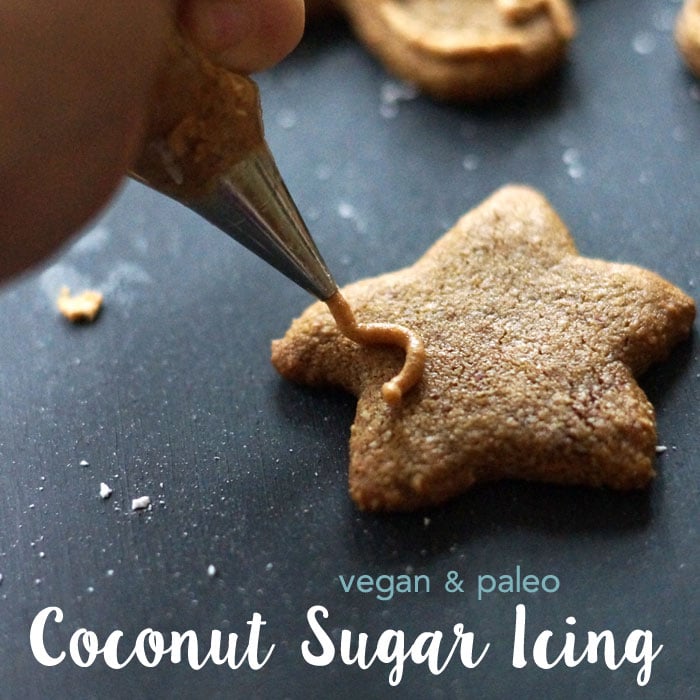
Easy Vegan Paleo Coconut Sugar Icing: No Refined White Sugar!
Craving a beautifully frosted treat but trying to steer clear of refined white sugar? Whether you're committed to a
vegan lifestyle, adhering to
Paleo principles, or simply seeking a more wholesome alternative, creating delicious and stable icing can seem like a challenge. Traditional frostings often rely heavily on highly processed powdered sugar, which can derail even the best intentions. But what if you could have it all – a rich, creamy, and pipeable icing that perfectly complements your dietary choices without compromise? Prepare to discover the secret to a luscious, delightful, and truly easy
coconut sugar icing vegan paleo recipe that delivers on all fronts: taste, texture, and health-conscious ingredients. This isn't just a substitute; it's an upgrade, bringing a subtle caramel note and a guilt-free indulgence to your favorite baked goods.
The Magic Behind Refined Sugar-Free Icing
Crafting a robust and delicious icing without refined white sugar requires a smart approach to ingredients. Each component in this recipe plays a vital role in achieving the desired texture, flavor, and stability.
The Unsung Hero: Powdered Coconut Sugar
The star of our show is undoubtedly
coconut sugar. Unlike its highly processed white counterpart, coconut sugar is an unrefined sweetener derived from the sap of the coconut palm. It retains more of its natural nutrients and boasts a lower glycemic index, meaning it causes fewer spikes in blood sugar. Its distinct caramel-like flavor adds a depth that refined sugar simply can't match, elevating your desserts beyond mere sweetness.
However, raw coconut sugar comes in granular form, not powdery. The trick to using it in icing is transforming it into a fine powder. This critical step ensures a smooth, lump-free frosting that behaves just like traditional powdered sugar icing. You’ll need to grind it yourself using a coffee grinder or a powerful high-speed blender. The finer the grind, the smoother your icing will be, so aim for a consistency akin to store-bought confectioners' sugar. Don't forget to measure the sugar *after* it's been ground to ensure accurate proportions for the recipe. Sometimes, sifting the ground sugar can help break up any stubborn clumps and guarantee ultimate silkiness.
The Secret to Stability: All-Natural Shortening
One of the biggest hurdles in creating a stable, room-temperature-friendly
vegan paleo icing is finding a fat that provides structure without melting into a soft mess. Coconut oil and plant-based butters often become too soft at room temperature, leading to runny frosting. The true secret to an icing that holds its shape beautifully, making it perfect for decorating cakes and cookies that will sit out, lies in one key ingredient: all-natural red palm oil shortening.
While the term "shortening" might conjure images of highly processed fats, modern natural versions, often a blend of virgin coconut oil and red palm oil, are a game-changer for refined sugar-free baking. They offer the stability needed for a pipeable, sturdy icing that traditional fats like coconut oil or vegan butter simply can't provide when left at room temperature. Think of icing itself as a special occasion ingredient – we don't consume it daily! So, using a specialty fat for a special recipe makes perfect sense. A single tablespoon per batch goes a long way, ensuring one purchase will last you through many festive baking sessions. If you're looking for detailed advice on this, check out our guide on how to
Achieve Sturdy Vegan Paleo Coconut Sugar Icing for Room Temp Cookies.
Complementary Ingredients for Flavor and Texture
Beyond the core of coconut sugar and shortening, a few other ingredients complete this incredible icing:
*
Coconut Oil (Solid): Using solid (not liquified) coconut oil at room temperature helps contribute to the icing's overall firmness and creamy texture. If your kitchen is warm and your coconut oil is liquid, a quick chill in the fridge will solidify it.
*
Arrowroot or Tapioca Starch: These natural starches act as thickeners and stabilizers, helping to absorb any excess moisture and give the icing a more substantial body, similar to cornstarch in traditional recipes.
*
Vanilla or Almond Extract: These are optional but highly recommended for enhancing the flavor profile. Vanilla adds a classic sweetness, while almond extract can give a lovely marzipan-like note. Feel free to experiment with other extracts like peppermint for holiday treats or orange for a citrusy twist.
Crafting Your Perfect Coconut Sugar Icing: Step-by-Step Guide
Making this delicious
coconut sugar icing vegan paleo is surprisingly straightforward. Follow these steps for best results:
- Prepare Your Powdered Coconut Sugar: The first and most crucial step is to grind your granular coconut sugar. Place 1/4 cup of coconut sugar into a clean coffee grinder or a high-speed blender. Process until it reaches a very fine, powdery consistency, similar to confectioners' sugar. Periodically tap the grinder/blender and scrape down the sides to ensure even grinding. Once powdered, measure out 1/4 cup for the recipe. If you notice any small clumps, lightly sift it through a fine-mesh sieve.
- Combine All Ingredients: In a small mixing bowl, combine the 1 tablespoon of Nutiva red palm oil shortening, 1 tablespoon of solid coconut oil, 1/4 cup of your freshly powdered coconut sugar, 2 tablespoons of arrowroot or tapioca starch, and 1/4 teaspoon of your chosen extract (vanilla or almond).
- Mix to Perfection: Using a rubber spatula, vigorously stir and squish all the ingredients together. At first, it might seem crumbly, but continue mixing and pressing against the sides of the bowl. The fats will combine with the dry ingredients to form a cohesive, thick icing.
- Adjust Consistency (If Needed): If you find the frosting too thick or crumbly, and desire a smoother, more pipeable consistency, add water *very slowly*. Start with just 1/2 teaspoon at a time, mixing thoroughly after each addition, until you reach your desired texture. Be cautious, as a little water goes a long way!
- Thicken if Necessary: If your kitchen is warm and your coconut oil was softer than ideal, or if the icing feels too soft, place the bowl in the refrigerator for about 20-30 minutes. This will help the fats solidify further, resulting in a firmer, more stable frosting. Give it another quick stir before using.
Tips for Decorating and Storage
Once your icing is perfectly crafted, it's time for the fun part: decorating! This
coconut sugar icing vegan paleo is incredibly versatile and can be used on a variety of baked goods.
*
Piping Made Easy: For decorating, transfer your frosting to a piping bag fitted with your desired tip. For convenience, a simple plastic sandwich bag can work wonders: snip off a small corner, insert your decorating tip, then spoon the frosting inside. Gently squeeze the bag from the top, and the icing will pipe beautifully onto your favorite cookies, cupcakes, or cakes. For more elaborate designs and techniques, explore our guide on how to
Pipe Perfect Vegan Paleo Coconut Sugar Icing for Holiday Cookies.
*
Batch Adjustments: This recipe makes a small batch, ideal for decorating about 12-15 small cookies or a few cupcakes. If you're baking for a crowd or need to frost a larger cake, feel free to easily double or triple the recipe as needed. Just be sure to scale all ingredients proportionally.
*
Storage Savvy: Thanks to the red palm oil shortening, this icing is sturdy enough to allow your frosted treats to be stored at room temperature without melting, making it perfect for holiday platters or parties. Keep your decorated goodies in an airtight container to maintain freshness. If you've made a larger batch of icing than you need, it can be stored in an airtight container in the refrigerator for up to a week. Before using it again, let it come to room temperature and give it a good stir to restore its creamy texture. You might need to add a tiny bit of water or re-chill depending on its initial consistency.
Why Choose Vegan Paleo Icing? Beyond the Sweetness
Opting for a
vegan paleo coconut sugar icing isn't just about following a diet; it's about making a conscious choice for healthier ingredients and enjoying a rich, authentic flavor.
*
Healthier Sweetener Choice: Coconut sugar offers a lower glycemic index compared to refined white sugar, meaning it causes a slower, steadier rise in blood glucose levels. It also contains trace minerals like iron, zinc, calcium, and potassium.
*
Dietary Inclusivity: This recipe is a fantastic solution for those with dietary restrictions or allergies, allowing everyone to enjoy frosted treats. It's naturally dairy-free, gluten-free (ensure starch is certified), and free from highly processed ingredients.
*
Superior Flavor Profile: The unrefined nature of coconut sugar imparts a rich, caramel-like depth that plain white sugar simply cannot replicate. This adds a sophisticated layer of flavor to your desserts, making them taste more artisanal and satisfying.
*
Avoiding Refined Ingredients: By choosing this recipe, you're actively avoiding the heavily processed and often chemically bleached refined white sugars, which can be devoid of natural nutrients.
Conclusion
Gone are the days when following a vegan or Paleo diet meant sacrificing beautifully decorated, delicious baked goods. This easy
coconut sugar icing vegan paleo recipe proves that it's entirely possible to create a luscious, stable, and utterly satisfying frosting without relying on refined white sugar. With its subtle caramel notes, pipeable consistency, and wholesome ingredients, this icing is a game-changer for holiday cookies, birthday cakes, or any sweet treat you wish to elevate. Embrace the natural sweetness and robust structure this recipe offers, and delight in creating stunning, health-conscious desserts that taste incredible and meet your lifestyle needs. Give it a try – your taste buds and your body will thank you!